Table of Content
- The 1987 Nursing Home Reform Act
- Aged Care (Single Quality Framework) Reform Act 2018
- Residents’ Rights and the LGBT Community: Know YOUR Rights as a Nursing Home Resident Updated 2018
- www.congress.gov
- FREE CASE REVIEW
- What is the Nursing Home Reform Act?
- Nursing Home Residents Bill of Rights
- Get a Free Case Review
Since the Nursing Home Initiative of 1998, improvements have been made but the system still needs improvement. Without proper enforcement, many nursing homes continue to provide inadequate care without federal or state government repercussions. Federal money in the form of Medicare and Medicaid make up the majority of payments for nursing home care.
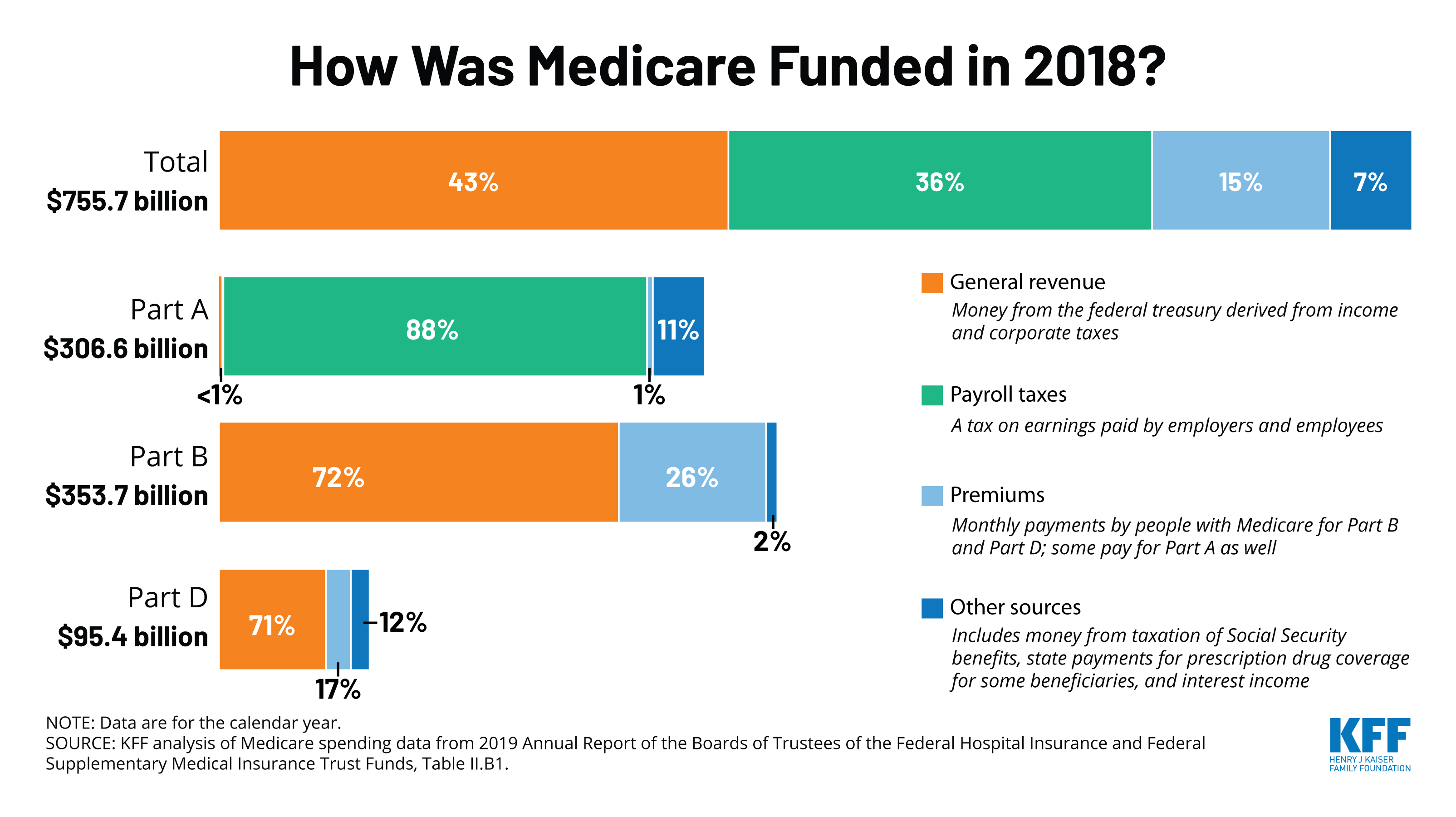
Nursing homes receive Medicaid and Medicare payments for long-term care of residents only if they are certified by the state to be in substantial compliance with the requirements of the Nursing Home Reform Act. As Figure 1 illustrates, federal dollars pay for the majority of nursing home care. In a 1986 study, conducted at the request of Congress, the Institute of Medicine found that residents of nursing homes were being abused, neglected, and given inadequate care. The Institute of Medicine proposed sweeping reforms, most of which became law in 1987 with the passage of the Nursing Home Reform Act, part of the Omnibus Budget Reconciliation Act of 1987. Download a copy of the NAELA article to learn more about the federal requirements for nursing homes and common types of resident abuse and neglect.
The 1987 Nursing Home Reform Act
States are responsible for inspecting and certifying that the facilities receiving Medicare and Medicaid funding are substantially compliant with the Act's standards. The question then becomes what is the motivation to discharge a patient. Most nursing homes prefer Medicare reimbursement or private pay over Medicaid reimbursement to protect the financial stake of the company. Furthermore, most nursing homes prefer residents who do not have extraneous care needs, or advocates that are determined to present a problem to a nursing home.
One of the issues we face revolves around the discharge of a resident from a nursing home. By submitting, you agree to our privacy policy, terms of useand to be contacted by a trusted law firm to evaluate your claim. After the study, the Institute of Medicine recommended many reforms for nursing homes.
Aged Care (Single Quality Framework) Reform Act 2018
Needs to review the security of your connection before proceeding. "I highly recommend Ingrid and her law firm. If you are looking for an attorney who is a great listener, a compassionate advocate and who really knows the law, this should be your first stop." Pressure ulcers – Federal law says residents who are at risk for pressure sores need to be identified. There are many risk factors for these injuries, such as decreased mobility and malnutrition and dehydration. Meeting with a lawyer can help you understand your options and how to best protect your rights.
The act establishes the minimum care standards for nursing homes and defines the legal rights of nursing home residents. It also set a certification process and requires states to conduct random surveys to make sure nursing homes are reaching NHRA Standards. When someone checks into a nursing home, they expect to receive adequate care and attention to meet their living needs.
Residents’ Rights and the LGBT Community: Know YOUR Rights as a Nursing Home Resident Updated 2018
See thisdocumentfrom the Centers for Medicare and Medicaid Services for an in-depth explanation of a nursing home resident's rights. If you disagree with a facility's decision of coverage, you may request that the facility submit the bill to Medicare even when the facility believes that services will not be covered by Medicare. The facility cannot bill the beneficiary for the disputed charges until the Medicare fiscal intermediary issues a formal claim determination. If the determination is unfavorable, you should be prepared to pay for the expense. If you feel that your loved one still requires skilled nursing care or is otherwise being improperly discharged, you may appeal the decision. The facility is required to provide you with a statement pertaining to your right to appeal with the discharge notice.
Legal Case Review If you or a loved one has suffered abuse or neglect, we can help.
www.congress.gov
Congress used the institute’s recommendations to write the Nursing Home Reform Act. The NHRA was passed in 1987 as part of the Omnibus Budget Reconciliation Act. Denials of payment for existing Medicare and Medicaid patients. Wheelchair injuries – Residents can suffer foot, ankle and leg fractures when footrests are not installed on wheelchairs. Staff members also need to keep residents in wheelchairs away from stairs. Prescription medication errors – Approximately 86,000 medication errors are fatal or life-threatening.
In 1986, Congress asked the Institute of Medicine to analyze the state of nursing homes in the United States. Congress suspected that many nursing homes weren’t providing high-quality care to seniors. The results of the study proved that many nursing home residents were not receiving adequate care and that neglect and abuse were common. Nursing home surveys include interviewing the residents at least one time within a 15-month period. The surveys look closely to ensure that the facilities are respecting the legal rights of residents and providing quality care.
Not only has the nursing facility not informed the resident of his or her right to remain at the facility under private pay , but has failed to consider whether the "safe-discharge plan" is a viable option. The Nursing Home Abuse Center was founded to bring justice to those affected by nursing home and elder abuse. Our mission is to educate and empower victims of abuse and their families to take a stand against this unlawful mistreatment. We work to return dignity back to those who have been broken down by nursing home abuse and neglect. The Nursing Home Reform Act sets requirements for nursing homes to provide certain services to residents.
A 1986 study organized by the Institute of Medicine found that people in nursing homes were not getting fair or adequate health care or personal treatment. The Institute of Medicine responded to the study by proposing broad and deep reforms in the regulation of nursing homes. These reforms were integrated into the Omnibus Budget Reconciliation Act of 1987 and passed as part of that law. Understand that your loved one's stay in the nursing home will not be covered by Medicare as of day 101 of institutionalization. If your loved one cannot afford the private pay rate, act promptly to develop a plan for long-term payment in facility.
And, even under those circumstances, the facility is still responsible for the development of a safe-discharge plan. These requirements are set by the federal government and enforced by state governments. Nursing homes that fail to meet the minimum standard care requirements may be subject to penalties from the federal government. In 1998 the Nursing Home Initiative began with the goal of improving the enforcement issues. Since then, the federal government has been making efforts to remedy the enforcement issues.

This project was supported by the Administration for Community Living , U.S. The contents are those of the author and do not necessarily represent the official views of, nor are an endorsement, by ACL/HHS, or the U.S. At FindLaw.com, we pride ourselves on being the number one source of free legal information and resources on the web. To improve your search results use quotation marks when searching for a specific phrase. If you feel something isn't right, you should seek someone experienced with resident rights.
It created uniform standards for long-term care facilities and established the Nursing Home Resident Bill of Rights. To secure quality care in nursing homes, the Nursing Home Reform Act requires the provision of certain services to each resident and establishes a Residents' Bill of Rights. States are required to perform random surveys of nursing homes at least once every 15 months. These surveys usually focus on residents’ rights, quality of care, quality of life, and the services provided to residents.


No comments:
Post a Comment