Table Of Content
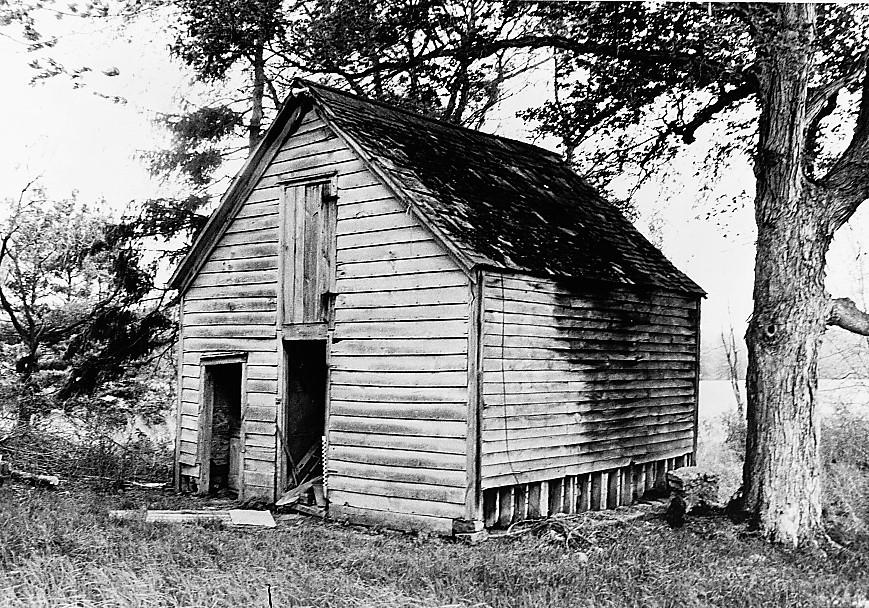
The thick walls, underground locations, and well-insulated roofs of these buildings helped maintain the ice’s cold temperature, preventing it from melting too quickly. Firstly, ice houses were crucial for keeping food fresh before the invention of refrigeration. In an era without electric refrigerators, ice was the primary method of cooling perishable items. Ice blocks were harvested from frozen bodies of water during winter and stored in ice houses to be used throughout the year.
Learn about Ice Houses
These ice houses were essential for preserving perishable goods, such as food and medicine, before the invention of refrigeration. They were commonly used in households, businesses, and even on ships to keep supplies cool and prevent spoilage. An ice house served as a storage facility for ice during the 19th century.
Modern times
That’s where the club’s secret crown jewel, the newly built VIP lounge, comes into play. Finally, burnt out on sports and other ventures before the pandemic, Buss decided to revive the comedy club dream, buying the Ice House in 2019 from longtime owner Bob Fisher, who was retiring. The club sat in limbo until recently — during which time Buss’ mother, JoAnn Mueller, also passed away, before the club reopened.
What utility did an ice house serve?
Access to the ice house was usually through a small door or opening at ground level. Once inside, the ice blocks would be stacked neatly and separated with more insulating materials. This organization not only helped to maximize storage capacity but also prevented the ice from sticking together.
How were ice houses constructed in the 19th century?
Meltwater from the warm roof backs up behind it, flows under the shingles, and into the house. If necessary, use a long-handled garden rake or hoe to push it into position. The calcium chloride will eventually melt through the snow and ice and create a channel for water to flow down into the gutters or off the roof. Though it’s always served its purpose as a training ground, the Ice House is also going to be a place where stars can mingle while they watch famous funny people perform.
But now, for the first time, virtually all the best players are in one place, showcasing a skillful and rugged style that has fans riveted. Designer Stephanie Hatten updated the Gatehouse Kitchen, turning it into an airy English-country-inspired space. An eye-catching natural stone by Walker Zanger was selected for the counters and backsplash, and the space was outfitted with the latest Monogram appliances. Designer Lara Hovanessian packed plenty of bold design elements into the powder room and adjacent lounge. A moody House of Hackney floral wall covering lines the dressing area, which leads to a powder room accented with a Kelly Wearstler’s Graffito II from Walnut Wallpaper. A black-and-white triangular mosaic tile floor by Artistic Tile from Mission Tile West puts a contemporary twist on the classic checkered pattern.
But over the last several months, the club has finally finished its long-awaited reshaping and is ready to turn the lights back on. The invention of electric refrigerators and the development of mechanical ice-making technology gradually made the delivery of natural ice obsolete. They would navigate staircases, narrow hallways, and cramped spaces to reach the iceboxes or ice chests where the ice was placed to keep food and beverages cold.
Blow in Cold Air
A concrete or, plank floor should then be installed to slant toward a drain in one corner of the building’s inner chamber (ice melts faster when it stands in water). The drain–to keep cold air in and warm air out–should be of the “trapped” variety. The old-timers in New England sometimes stored their ice in a heavily walled stone structure set into the north side of a hill. Folks in other parts of the country–such as Virginia–more frequently favored a frame building within a building well-insulated with sawdust, wood shavings, hay, bark or (more recently) rock wool.

When you’ve got a load, take it back to the ice house and start filling the structure. Some old-timers advise cutting ice off a lake or pond when the surface has frozen only about eight inches thick (because the thinner chunks are easier to handle). All seem to agree that first-frozen ice (rather than that which has been allowed to thaw and refreeze a number of times) is best .
Many icemen in the Northeastern U.S. had origins in Southern Italy. Arriving in the U.S. with little education or trade skills, many of these immigrants began ice routes, especially in New York City, where ice routes were a common sight. In those times, ice was harvested from ponds and lakes, stored in ice houses and transported to cities.
The designers worked with a color palette of Dunn-Edwards paints, and several chose to highlight the brand’s 2024 Color of the Year, a steely blue called Skipping Stones. Nods to Pasadena’s famous peacocks can be found throughout the designs, and many creators fearlessly brought in statement floors, enveloped their spaces with jewel tones, and added texture to ceilings. Others focused on bringing the beauty of the estate’s gardens and views inside with verdant murals, floral fabrics, and nature-inspired lighting. The event is part of a yearly river breakup that signals the end of winter and beginning of spring.
The functionality of ice houses can be understood in two main aspects. Ice houses were in use until the refrigerators came in more commercial use. Only richer houses had built ice houses and they were introduced to Britain around 1660 and the design came with travelers who had seen similar buildings in Italy. They were commonly brick lined, domed structures, with most of their volume underground.
South Austin house covered in ice after a water main break during freezing weather - Austin American-Statesman
South Austin house covered in ice after a water main break during freezing weather.
Posted: Wed, 17 Jan 2024 08:00:00 GMT [source]
Ice, for iceboxes, was delivered once or twice a week or an owner of the icebox could pick up a block of ice from an ice-house and fill it him/her self. Part of the early economy of the New England was trading in ice - thanks to ice houses. Ice was transported from there in straw-packed ships to the southern states of United States and throughout the Caribbean Sea. Ice was often chopped and placed from ice houses into iceboxes that were used similarly to today’s refrigerators. For now, the last remnants of ice harvesting are exhibits produced in museums, and small sects of those who are bent on living off-grid sustainable lives.
Katy Trail Ice House to Open in Allen, Texas in Late 2024 Allen American News - Star Local Media
Katy Trail Ice House to Open in Allen, Texas in Late 2024 Allen American News.
Posted: Fri, 15 Dec 2023 08:00:00 GMT [source]
Before he became a legendary football player, Harold “Red” Grange worked a summer as an iceman to get in shape. They followed predetermined routes, delivering ice to households, restaurants, hotels, and various businesses that relied on this essential commodity. An ‘Ice Man’, delivering a 25lb block of ice in 1928, Houston, Texas. In the bygone era, a remarkable chapter in history unfolded, centered around the dedicated men known as the icemen.


No comments:
Post a Comment